


Individual models and protocols
tailored to your needs and indications!
VivaCell stands for Quality in vitro and in vivo Research Services in pharmaceuticals, nutraceuticals (human/animals), natural products and cosmetics and oral care products
Latest News

Sponsoring
VivaCell Biotechnology ist jetzt Team-Sponsor des SC Freiburg. Gerne unterstützen wir die Arbeit des SC Freiburg und wünschen Mannschaft, [...]

Recent Publication
Cannabidiol markedly alleviates skin and liver fibrosis
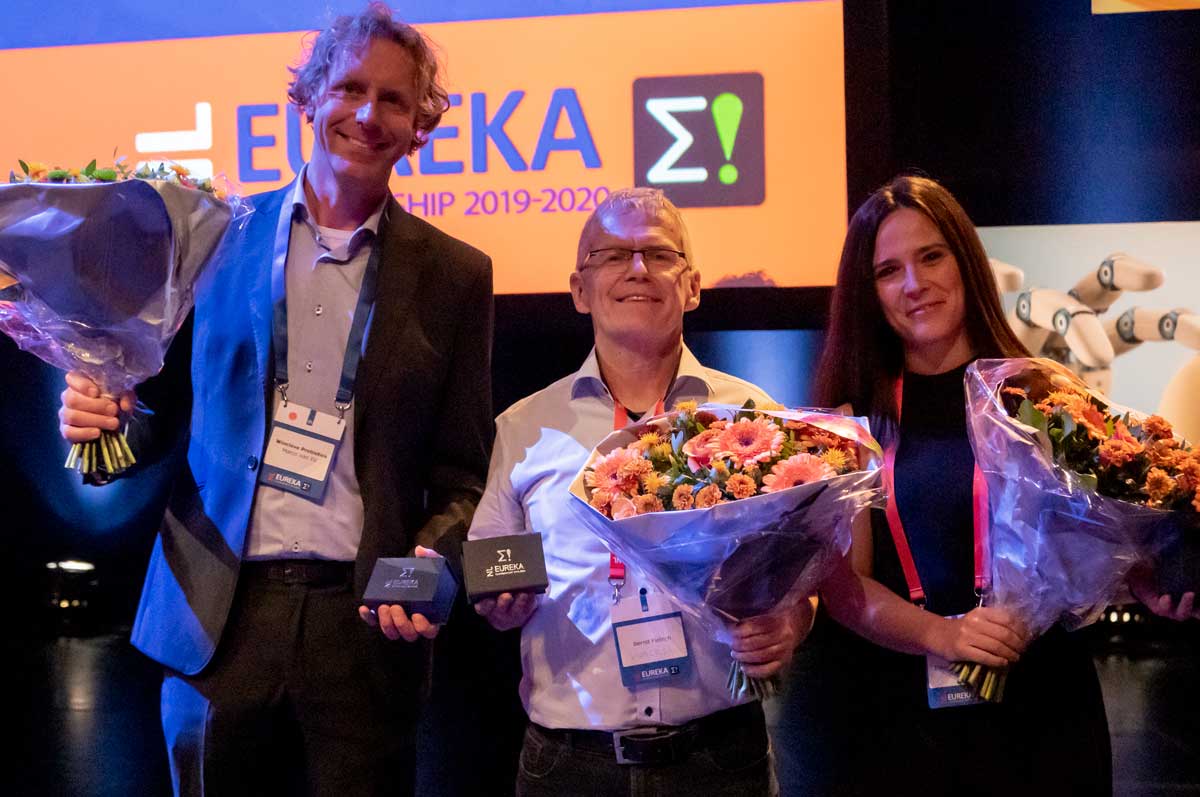
Novobiome project consortium
Granted with Eureka Eurostars funding (E!11342)
Recent Publication
Immunosuppressive activity of non-psychoactive Cannabis sativa L. extract on the function of human T lymphocytes
Recent Publication
(+)-trans-Cannabidiol-2-hydroxy pentyl is a dual CB 1 R antagonist/CB 2 R agonist that prevents diabetic nephropathy in mice
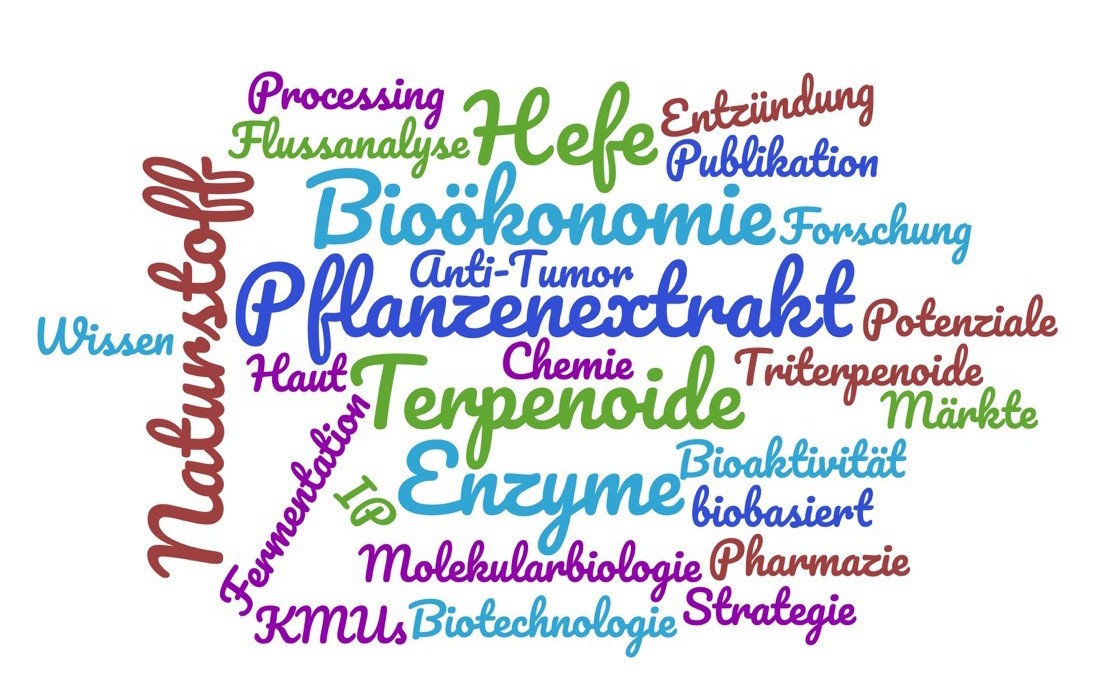
Vivacell is a partner in the interdisciplinary research project “ASPIRANT”
(Text in German) Pünktlich zum Wissenschaftsjahr 2020 Bioökonomie fiel am 1. Februar 2020 der Startschuss für das Projekt "ASPIRANT" …
Recent Publication
2LARTH®, a micro-immunotherapy medicine, exerts anti-inflammatory effects in vitro and reduces TNF-α and IL-1β secretion

Recent Publication
Ex vivo anti-inflammatory effects of probiotics for periodontal health
VivaCell Quality Certificate
Use our scientific certificate to demontsrate that the health benefits were approved and validate by us.
Awarded by “Stifterverband”
We were awarded the Stifterverband's "Innovative through Research" for our research activities.